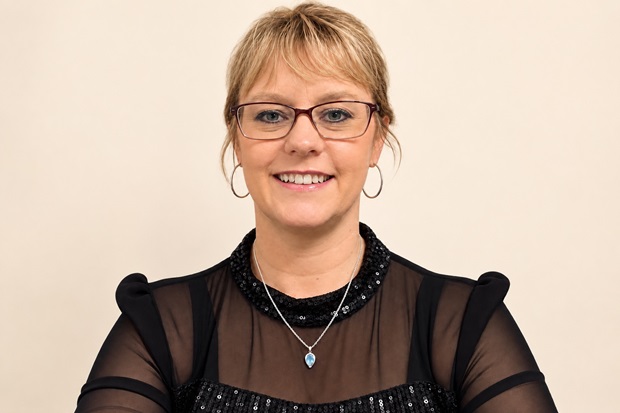
Since 2023, Defra has been running targeted trials and rollouts of Microsoft Copilot – a personal AI assistant integrated within Microsoft apps. These pilots highlighted the meaningful ways AI can benefit colleagues who are neurodivergent and/or have a disability or other accessibility need. As such, Defra made full licences available as a reasonable adjustment earlier this year, and I was issued with one.
As a team leader and strategic technical officer, I manage and support people while leading the team operationally to deliver our priorities effectively.
I oversee complex compliance and enforcement work and help shape consistent technical approaches across the team. My role combines day-to-day people leadership with strategic advice, improvement work and collaboration with others to protect people and the environment.
Stepping into the unknown
When I was given access to Copilot, I wasn't quite sure what to expect. Like many people, I thought it would be useful for drafting documents and answering questions, but I quickly realised it could be much more than that.
As someone with dyslexia, I have always found that my brain works quickly. I often know what I want to say and have lots of ideas but getting those thoughts onto paper in a clear and structured way can take time and effort. Reading large amounts of text, checking spelling and grammar, and formatting documents can all add to the processing time needed to complete a task.
Over the years I've used a range of support tools to help with different aspects of my work. What surprised me about Copilot is that it feels like many of those tools have been brought together in one place.
Focusing on the message
I use Copilot every day across Outlook, Teams and Word. It helps me review and improve written work, summarise lengthy emails and documents, check spelling and grammar, and organise information into a format that is easier to work with. Rather than spending lots of time focusing on the mechanics of writing, I can focus on the message I want to get across.
The biggest difference for me is that Copilot helps me work at the pace my brain naturally works. The ideas, knowledge and creativity are still mine, but Copilot helps me turn them into something clear and accessible much more quickly. It feels less like a replacement for my skills and more like a tool that enhances them.
Giving me confidence to be creative
It has also helped me feel more confident. Instead of worrying about whether I've missed a spelling mistake or whether a document flows properly, I can spend more time focusing on the quality of my work and the outcomes I'm trying to achieve.
One feature I particularly enjoy is the ability to be digitally creative. Developing ideas, drafting communications and exploring different ways of presenting information can often take time. Copilot helps me get those ideas out of my head and into a format that I can refine and build on. It allows me to be more productive without losing my own voice.
For me, Copilot is an assistive technology as much as it is an AI tool. It helps remove some of the barriers that dyslexia can create and gives me more time to focus on the things I do best. The result is that I spend less time processing text and more time contributing, creating and adding value.
Making Copilot work with you, not for you
If I could give one piece of advice to anyone starting out with Copilot, it would be to use it as a partner rather than expecting it to do the work for you. The more you use it to support your own strengths, the more value you'll get from it.
In many ways, Copilot has helped me unlock more of my potential at work, and that's probably the biggest difference it has made.
Most notably, I spend less time battling with the mechanics of reading and writing and more time using my skills, experience and creativity. It has helped me reach my potential in ways that feel both practical and empowering.
More information
Zoe Wilson is an enforcement senior team leader in the Environment Agency’s reservoir regulation team.
If you're interested in finding out more about what we do in Defra Digital Data Technology and Security check out our LinkedIn page for all the latest news, stories and job openings. While you're there, why not give us a follow?
Like what you read? Subscribe to the blog for all the latest updates.
1 comment
Comment by David Hallam posted on
Thanks for the inspiring blog Zoe - really great to see the potential of co-pilot - I'm looking forward to experimenting with how I can get more out of it myself.