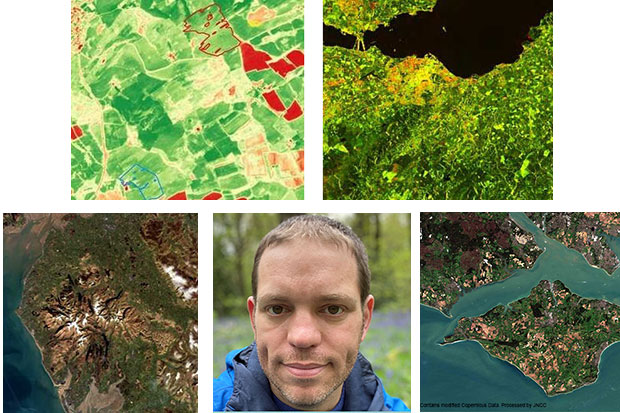
We've opened our new Earth Observation Data Service to users across Defra. This data has the potential to change our understanding of the environment. Andrew Newman explains how this is working and how we are making this data openly available.
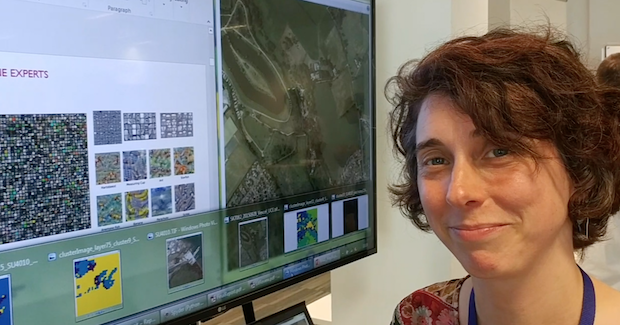
At #DataMash, We spoke to Senior Research Scientist Isabel Sargent from the Change and Business Innovation team at Ordnance Survey about Machine Learning. This is what she had to say.
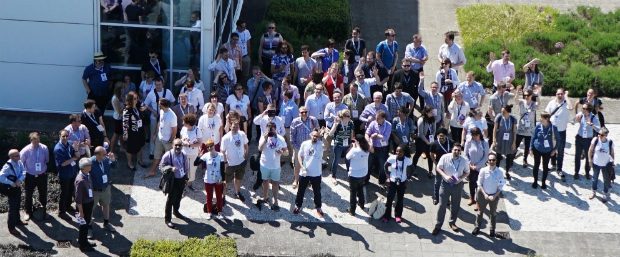
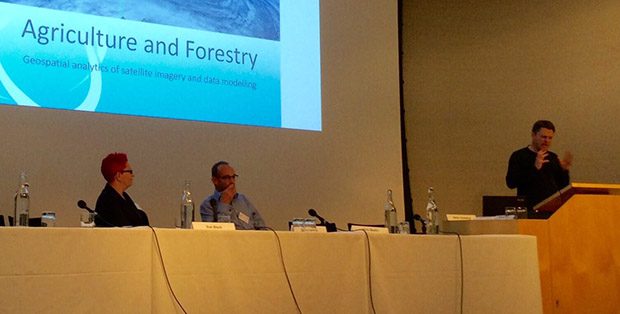
On 24–25 May 2017, Defra and Ordnance Survey ran a two-day un/conference (that's part conference, part unconference) at the Ordnance Survey Headquarters at Southampton. These photos capture a little bit of the magic that happened there...thanks to David Tait, Mattie Yeta
How can we use data, now and in the future? What are emerging technologies and what are their potential uses and impacts? A Defra-Royal Society panel debate asked these and other questions recently.
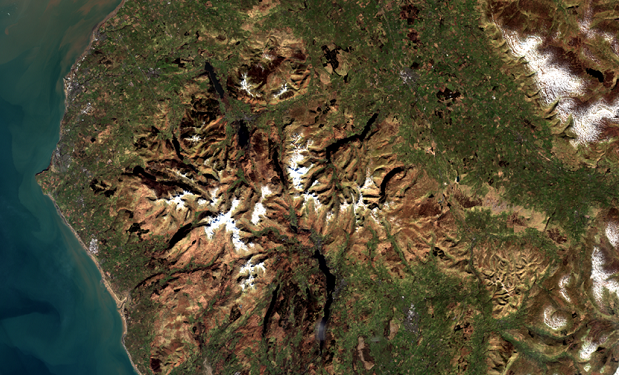
Earth Observation technologies help us to understand how our actions affect our environment and are key to delivering better services through smarter use of data.
Currently 1.8 million people live in areas at risk of flooding across the UK. With an increasing population and dependence on flood plains for housing and industry, loss of natural flood defences and increased likelihood of extreme weather events; this …
Related content and links
Defra digital, data, technology and security: our story
This blog is about our experience of transforming Defra digital, data, technology and security services and information.
Interested in finding out more about what we do in Defra Digital Data Technology and Security?
Check out our LinkedIn page for all the latest news, stories and job openings. While you're there, why not give us a follow?
Want to know more about our Sustainable ICT journey?
Defra is at the forefront of ensuring that UK Government Information Communications Technology (ICT) is rationalised, resilient, responsible, and free from exploitation throughout our digital infrastructure and associated supply chains.


Recent Comments